Here’s something I want you to hear before anything else: you are not the problem.
I’ve worked with women who eat less than almost anyone I know and still can’t shift weight. Women who have cut out rice, started walking every morning, tried every diet they found online, and still feel stuck. The first thing most of them say when they sit down in front of me is some version of “maybe I just don’t have the discipline.”
That breaks my heart every time because discipline has nothing to do with it.
PCOS changes the rules. Your body handles insulin differently. Your hunger hormones behave differently. The way you store fat is different. So, following advice designed for a body without PCOS and then feeling like a failure when it doesn’t work, that’s not a discipline problem. That’s just the wrong instructions.
Based on my professional experience as a reliable, known by the name of Fainah The Dietitian, residing in Pakistan, I have dealt with countless cases like this. Now, it is time that I guide on the matter in the most practical but easy approach that will pay off in the long run.
1. Start with real food & not perfect food
Before anything else, just start eating things that actually came from the ground or had a mother at some point. That’s genuinely it for step one.
Biscuits with chai, packaged juices, white bread, and instant noodles aren’t just empty calories. For a PCOS body, they’re actively problematic because they hit your blood sugar fast and hard, and your insulin system can’t keep up. The result is more fat storage, more inflammation and more hunger a couple of hours later.
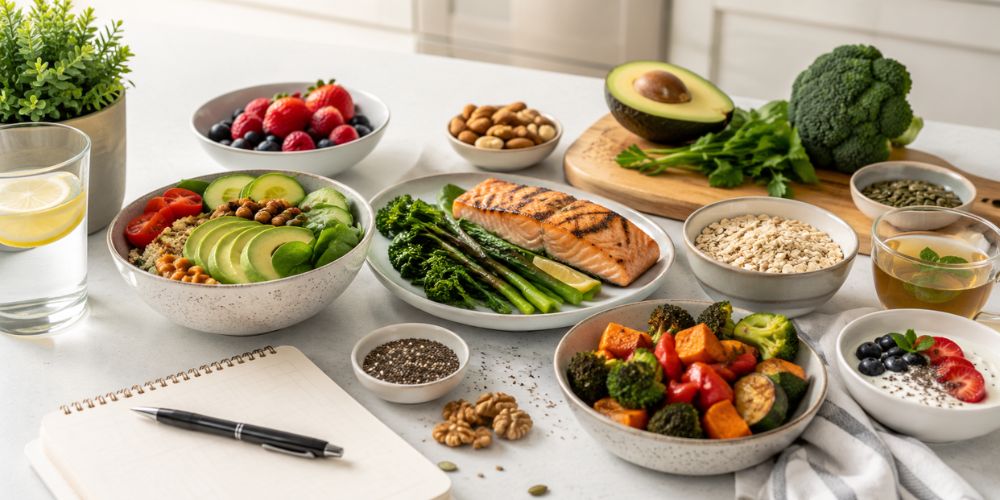
Daal. Eggs. Palak. Whole wheat roti. Brown rice. Chicken. A handful of almonds. These are foods your body knows what to do with. Build your meals around them, and you’ve already done more than most people realise.
2. Learn what your food is actually doing
With PCOS, the question isn’t just “how much am I eating.” It’s “what is this food doing to my blood sugar.”
Foods that digest fast, such as maida, white rice, sugary drinks, and anything from a bakery, cause a sharp spike in blood sugar. Your body rushes out insulin. But in a PCOS body where insulin resistance is already present, that system is already strained. So the excess gets stored as fat. Suddenly, you’re hungry again an hour later.
Low glycemic food does the opposite. It digests slowly. Blood sugar rises gradually. Insulin stays calm. You stay full longer.
Practically whole wheat roti instead of regular. Oats in the morning instead of something sweet. Amrood instead of juice. One swap. Then another. Nobody does this perfectly overnight, and that’s completely fine.
3. Use what’s already in your kitchen
Chronic inflammation is something most women with PCOS are living with and don’t know it. It worsens insulin resistance, makes weight loss harder and generally makes everything feel more difficult than it should.
Here’s what I find almost funny: two of the most researched anti-inflammatory ingredients in the world are sitting in nearly every Pakistani kitchen. Haldi. Adrak. Most of us grew up eating them daily without knowing they were doing something useful.
Use them more. In your daal, your sabzi, your chai. Try a plain cup of ginger tea at night instead of regular chai.
These aren’t dramatic changes. They’re small, consistent habits that add up in ways you’ll eventually feel.
4. Stop skipping protein
Most of my patients are eating nowhere near enough protein.
When I explain what that’s actually costing them, the cravings, the energy crashes, the constant hunger two hours after eating something clicks.
Protein keeps you full. It slows down how fast everything else digests. It stabilises blood sugar in between meals. It directly supports the muscle that keeps your metabolism functioning properly.
You don’t need shakes or supplements. You need an egg at breakfast. Daal at lunch. Chanay as a snack. Chicken or fish at dinner. Rajma, moong, and masoor are already part of how we cook. Just make sure something protein-based is on your plate every single time you eat.
5. Drink more water
Genuinely simple. Genuinely ignored.
Eight to ten glasses a day. Spearmint tea, if you can find it, has actual research suggesting it helps lower androgen levels in PCOS. Ginger tea in the evening. Less sugary chai, less soda, less packaged juice.
6. Notice how your body reacts to dairy
What I will say is pay attention. Some women with PCOS reduce full-fat dairy and notice their skin improves, bloating reduces, and weight starts moving. Others feel no difference. Your body will give you the answer if you actually observe it honestly over a few weeks.
Low-fat plain dahi is fine for most people. Heavy cream and full-fat milk in large quantities are worth pulling back on. Processed meats like sausages and packaged cold cuts are worth avoiding more consistently. Fresh is always better.
7. Eat slower than you currently do
PCOS affects hunger hormones in ways that make emotional eating and stress cravings much harder to manage than they would be otherwise. Eating fast and distracted makes this significantly worse.
Put your phone down. Sit at a table. Take smaller bites. Check in with yourself halfway through. Are you actually still hungry? Use a smaller plate so you’re not fighting yourself mentally over portions every meal.
When you slow down, your body gets the chance to tell you it’s full. It genuinely does.
Over time, that one habit alone changes how much you eat without any rules or restrictions involved.
Conclusion
PCOS weight loss is slower. But when you notice positive moments, you get motivated to stick with the diet. Energy lifts. Sleep improves. Bloating settles down. Skin starts clearing. Those are signs the body is responding even when the scale is being stubborn. On the other hand, if you would like to get proper expertise and if you are stuck, you can check out a proper PCOS Nutritionist service from us.